What Can Cause Slow Weight Loss

What Can Cause Slow Weight Loss?

What Can Cause Slow Weight Loss?

What if by making a few small changes, you could jumpstart your weight loss today?
Weight loss resistance is sometimes referred to as a weight loss plateau. This happens when an individual develops some sort of metabolic imbalance which makes losing weight seem impossible! No amount of hours you spend in the gym or how healthy you eat will make the scale move until the causes for the metabolic imbalances are addressed. This may not be your fault, let me explain common reasons for weight loss resistance:

Common Causes for Weight Loss Resistance:

1. Chronic Inflammation: Extreme dieting (excessive low calorie intake, over-exercising, little sleep, too much caffeine, etc.) and stress can lead to body-wide inflammation. The stress of the extreme lifestyle can causes C-reactive protein, an inflammatory marker, to spike. This causes a metabolic imbalance leading to difficulty losing weight.

2. Nutritional Deficiencies: We all know a nutritious diet is critical to normal function for the human body, but did you know that being deficient in certain nutrients can stall your weight loss? Lack of vitamins, vitamin D3, magnesium, calcium, iron, chromium, coenzyme Q10 can absolutely stall the fat-burning process as they are used in metabolism and detoxification.

3. Insulin Resistance: This is where insulin is present but does not work as it should. This causes the body to store glucose (blood sugar) as fat.

4. Environmental toxins: The choices we make in our every days lives is leading to over-exposure of harmful chemicals (found in electronics, clothing, cookware, cleaning products, detergents, hair care products, food packaging, pesticides, and much more) which can easily build up in our blood streams and disrupt the normal functioning of our bodies making it difficult to lose weight.

5. Poor Gut Health: A healthy gut is probably one of the most important factors to our every day lives because it is connected to literally everything. When our gut health is poor it can lower immunity, increase weight, cause hormonal imbalances, affect mental health, cause endocrine and metabolic disorders.

6. Thyroid Issues: When we have an underactive thyroid (also known as hypothyroidism) there is not enough T3 (triiodothyronine) and T4 (thyroxine) hormones being produced. This is a problem because these hormones are a key factor in our metabolism, so when they are low, so it our metabolism, which makes weight loss very difficult.

7. Adrenal Issues: When cortisol increases chronically, not only is it causing inflammation, it increases your blood glucose. This increase in blood glucose and inflammation can make it impossible to lose weight.

I know it seems like a lot. But do not worry. I have been exactly where you are.

I went through weight gain, tons of brain fog and irritability and had symptoms of hypoglycemia-sweaty and nauseous between meals due to resistant weight loss. But I took the time and did the work and was able to lose all of my baby weight! My personal journey took me through the adrenal package, gut health package, CGM package and detoxification. This was when I hit the sweet spot postpartum!

Written By:
Josie Phillips-Ross Pharm.D., ABAAHP, FAAMM

Most Popular Wellness Topics

Continue reading

What are Adrenal Glands

What are Adrenal Glands?

What are Adrenal Glands?

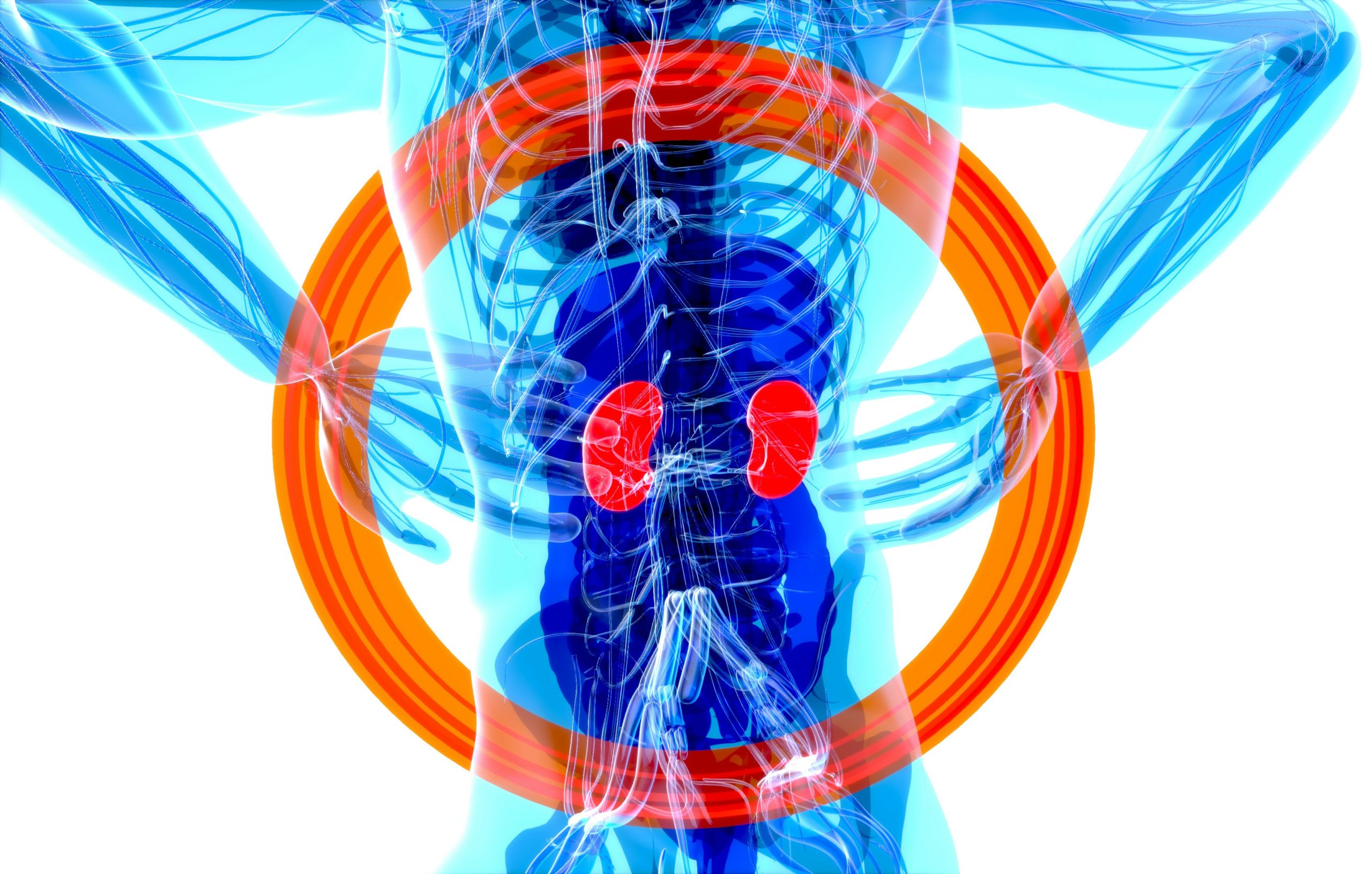
Adrenals are little glands that sit on top of your kidneys. ⁠

They may be tiny but friends they are CRITICAL for healthy hormone function and overall vitality!⁠

They’re mostly known for producing your stress hormone, cortisol.⁠

BUT adrenals are incredible and have many jobs in your body such as producing big hormones like:⁠

  • Testosterone⁠
  • DHEA & DHEA-S⁠
  • Aldosterones⁠
  • Cortisol⁠
  • Epinephrine & norepinephrine (adrenaline)⁠

Most Popular Wellness Topics

Continue reading

Symptoms of a Parasite

Symptoms of a Parasite

Symptoms of a Parasite

Did you know?
Did you know that about 3.7 million Americans have a parasitic infection (cdc.gov)? Some of the most common risk factors for getting a parasite include:
• Walking barefoot
• Having pets
• Exposure to childhood or institutional care centers
• Eating undercooked or raw meat/fish
Signs that you may have a parasite infection are:

• Skin issues (e.g., eczema,
• Digestive issues (bloating, constipation, diarrhea, pain)
• Unexplained weight changes
• History of food poisoning
• Nutritional deficiencies (despite a healthy diet)
• Consistently waking up at 2-3 AM
By completing a parasite cleanse you can help to improve all aspects of your life!

Most Popular Wellness Topics

Continue reading

Symptoms of Toxins in our Body

Symptoms of Toxins in our Body

Symptoms of Toxins in our Body

Toxins are everywhere….it feels so overwhelming to learn about toxins….so, what can you do?

Biotoxins
Did you know that every year more than 400 BILLION pounds of chemicals & pollutants from plastics, pesticides, solvents, heavy metals, medications, & other sources are released into our environment & find their way into our air, soil, food, & water supplies. With new harmful compounds such as industrial chemicals and pollutants being produced every year – infiltrating our soil, air, water, and food supply – exposure is an unfortunate, yet unavoidable, fact of modern life.

Humans encounter numerous chemicals throughout their lifetime. Many of these substances are endocrine disrupting agents which have the ability to interfere with hormone action as they are structurally similar to endogenous steroid hormones. This hormone interference can lead to downstream complications such as reproductive abnormalities, metabolic disorders, neurodevelopment behavior changes, cognitive function decline, and various cancers.

Endocrine Disrupting Chemicals (EDCs) Examples:

Environmental Pollutants:
• Dioxin
• Polycyclic aromatic hydrocarbons

Flame Retardants:
• Polychlorinatedbiphenyls (PCBs)
• Polybrominated diphenyl ethers (PBDEs)
Repellants:
• Perfluoroalkyls (PFAs)
Plastics:
• Nonylphenol (NP)
• Octylphenol (OP)
• Bisphenol A
• Parabens
• Phthalates
• Methacrylonitrile
Pesticides:
• Dimethylphosphate
• Dichlorodiphenyltrichloroethane (DDT)
• Chlordane
• Endosulphan
• Tributylin chloride

Where are these found?
Endocrine disrupting chemicals are found essentially EVERYWHERE! They are contained in numerous household products that we tend to use on a daily basis including electronics, clothing, cookware, cleaning products, detergents, hair care products, food packaging, pesticides, and much more.

What disease processes are EDCs associated with?
Reproductive System
• Uterine Fibroids & Uterine Cancer
• Endometriosis & Infertility
• Irregular Cycles, Early Menopause, PCOS, & Ovarian Cancer
• Breast Cancer & Infertility
• Cryptorchidism & Hypospadias
• Prostate Cancer
Metabolic System
• Beta Cell Damage & Type 2 Diabetes
• Changes in Gut Microbiota
• Decrease in Thyroid Hormone Synthesis
• Alters Fat Metabolism
Nervous System
• Psychiatric, Cognitive, Behavioral, & Autism Spectrum Disorders

Cardiovascular System

• Abnormal Cardiovascular Development

Ways to Reduce Exposure
• Visit www.skincaredeep.org to assess ingredients and potential risks of different body care products
• Limit/avoid body care products that contain phthalates, parabens, and other potentially toxic ingredients

Brief list of ingredients to avoid:
• Parabens
• Phthalates
• Artificial fragrance and perfume/parfum
• Sodium Lauryl Sulfate
• Polyethylene Glyco9l
• Toluene
• Formaldehyde
• Triclosan
• Diethanolamine

Most Popular Wellness Topics

Continue reading

Symptoms of Thyroid Gland Issues

Symptoms of Thyroid Gland Issues

Symptoms of Thyroid Gland Issues

I hope this message finds you in good health and high spirits as Thanksgiving is right around the corner! In this week’s Functional Medicine Email, we will explore a topic that affects millions of people worldwide: Thyroid Health
Understanding the Thyroid Gland The thyroid gland, a small butterfly-shaped organ in your neck, plays a significant role in maintaining your body’s harmony. It secretes hormones that regulate various bodily functions, including metabolism, energy production, and even mood. When the thyroid gland encounters imbalances, it can lead to a cascade of health issues.

The Thyroid-Weight Connection Many individuals struggling with unexplained weight gain may not realize that their thyroid could be a hidden culprit. Thyroid dysfunction can slow down metabolism, making it harder to shed excess pounds. Functional Medicine assesses not only the thyroid but also other systems in the body that may be contributing to weight issues.

Toxins and Thyroid Health Toxins from our environment, such as heavy metals and endocrine-disrupting chemicals, can disrupt thyroid function. Functional Medicine recognizes the importance of detoxification and works to identify and eliminate these harmful substances from the body, promoting a healthier thyroid and overall wellness.

How Can You Take Action?

1. Schedule a consult with a functional medicine practitioner: If you suspect thyroid issues or have unexplained health concerns, seeking guidance from a qualified Functional Medicine practitioner (like myself) is a great starting point! I will work WITH YOU to help assess your overall health and tailor a personalized plan to address your specific needs.

2. Nutrition and Lifestyle: Embrace a thyroid-friendly diet rich in nutrients like iodine, selenium, and zinc. Additionally gluten and dairy are huge inflammatory agents in thyroid disorders. Manage stress through relaxation techniques like box breathing and meditation, as stress can impact thyroid function.

3. Toxin Awareness: Be mindful of environmental toxins by using clean household products and choosing organic, pesticide-free foods when possible. EWG’s Clean 15 and Dirty Dozen are great guides on knowing what produce should be bought organic.
Know your thyroid could use some additional support? Then try out Thyroid Support supplement. Our brand of supplements is third-party tested and certified.

Additionally, they are gluten-free, dairy-free, vegetarian, and contain no artificial coloring. Thyroid Support with Zinc is a comprehensive vitamin, mineral, and herbal formula designed to support healthy functioning of the thyroid gland.


Most Popular Wellness Topics

Continue reading

Symptoms of Low Estrogen

symptoms of low estrogen

Symptoms of Low Estrogen

Hormones are tricky chemical messengers. They travel in your bloodstream throughout your entire body. They work slowly, over time, and affect many different processes such as: growth and development, metabolism (how your body gets energy from the foods you eat), sexual function, reproduction, and mood.

Having just the right level of any hormone is very important to living our best lives. The actions and choices we make every second of every day can impact our hormone levels.

For women, estrogen is of utmost importance:
Estrogen is primarily produced in the ovaries, but a little is made by DHEA. Women have estrogen receptors over their ENTIRE body: brain, muscles, bone, bladder, gut, uterus, ovaries, vagina, breasts, colon, eyes, heart, lungs, and blood vessels, to name a few. A woman’s body makes three main types of estrogen: estrone (E1), estradiol (E2), and estriol (E3).

For men, estrogen does not play as dominant of a role, but it is still important:
Males make estrogen from DHEA. Just like women, they make three types of estrogen: estrone (E1), estradiol (E2), and estriol (E3). Estradiol has a protective effect on the brain in older males and serum estradiol levels have been shown to be lower in men with Alzheimer’s.

How can your estrogen level affect you?
Causes of estrogen deficiency include:
• Hormonal dysregulation following delivery
• Insulin Resistance
• Premature ovarian failure/decline
• Perimenopause/menopause
• PCOS
• synthetic hormone replacement
• Pituitary/hypothalamic dysfunction
• Hypothryoidism
Maybe those don’t sound like your issues but heavy painful periods, PMS, anxiety, mood swings, breast pain and headaches sound like your symptoms?

Causes of estrogen dominance:
• Diet low in grains and fiber
• Impaired elimination of estrogens/poor liver detoxification of estrogen (can be genetic issue)
• Environmental estrogens
• Lack of exercise
• Taking excessive estrogen doses

If you are ready to find out what your estrogen (and other hormones) levels are, sign up for our hormone lab testing package and talk with a functional pharmacist about YOUR specific levels.

Most Popular Wellness Topics

Continue reading

Symptoms of Low Blood Sugar

Symptoms of Low Blood Sugar

Symptoms of Low Blood Sugar

What is blood sugar and why does it matter?
Blood sugar, also known as glucose, refers to the main sugar that is found in our blood. We get this sugar from the food we eat, and it is necessary for our bodies to function properly. However, our blood sugar levels are like Goldilocks and the Three Bears. It needs to be just right. If it is too low or too high, there can be problems.
Glucose is a sugar and it is the main source of energy for every single cell in you body!

As humans, our primary source of glucose is the foods we eat. Once we eat and digest food, glucose is carried to every cell in the human body via the bloodstream. This is why an excellent way to monitor what your glucose concentration is, is to measure your blood glucose level or blood sugar.

Prolonged high blood sugar levels may lead to insulin resistance. Insulin resistance is when insulin is present within the body, but it is not working as it should.
Now you may be wondering, why should I care about insulin resistance, put simply, it can disrupt every aspect of your life. 
Insulin resistance can lead to:
• Brain Fog
• Infertility
• Irregular menstrual cycles
• Irritability
• Constipation or loose bowel movements-alternating
• weight gain
• water retention
• Pre-diabetes and diabetes/metabolic diseases
If these symptoms describe you, know that you are not alone. I went through weight gain, tons of brain fog, and irritability and had symptoms of hypoglycemia (sweaty and nauseous between meals). After doing research, I was able to find a way to NATURALLY gain control of my blood sugar roller coaster and resolve ALL my symptoms!!! I even lost all of my baby weight!

Is there anything I can do to find out if I have insulin resistance or are there ways to naturally lower my blood sugar levels?
Absolutely!!!
There is a simple blood test that can tell a provider if you have insulin resistance, this is a fasting insulin level. We carry a comprehensive panel that includes this fasting insulin level along with other crucial functional medicine labs and is great for anyone looking for the root cause of why they are struggling with weight or to reach their health goals.

Weight Managment Profile
Regardless of whether you have a fasting insulin level or not, an AMAZING way to learn how to NATURALLY lower blood sugar levels and reverse insulin resistance is through the use of a CGM.
A continuous glucose monitor (CGM) can also referred to as a continuous blood-sugar monitor. This is a device that automatically measures your blood sugar levels 24 hours a day. A transmitter sends results directly to your cell phone.
By monitoring your blood sugar, you get a picture of where you currently are. With a CGM program, you can also easily track your current habits and how they impact your blood sugar levels. Over this 3-month long program, you will learn to improve your metabolic health, balance your hormones, and make weight loss possible.
Other benefits of a CGM:
• AI-Powered Weight Loss – Learn how to biohack your own metabolism
• Real-time visual of your blood sugar levels – learn to control your levels in YOUR optimal range
• Learn to make healthy lifestyle changes
• Improved insulin resistance
Additionally, if you want to use a CGM to manage weight, not only do you get all of the benefits listed above, but you also get all the other benefits of weight loss!
• Increased confidence
• Higher self-esteem
• Better Sleep
• Lower risk of developing certain diseases
• Improved mobility and reduced pain
• Better sex and less erectile dysfunction
• Improved mood
• Lower risk for multiple cancers

Most Popular Wellness Topics

Continue reading

Symptoms of Insulin Resistance and Hormone Imbalance

Symptoms of Insulin Resistance and Hormone Imbalance

Symptoms of Insulin Resistance and Hormone Imbalance

The Insulin Puzzle: Understanding Resistance

Insulin, a crucial hormone, plays a central role in managing blood sugar levels. However, when cells become resistant to insulin, a domino effect starts, leading to insulin resistance. This condition not only disrupts blood sugar balance but also ripples through various aspects of hormonal regulation.

Hormonal Harmony: A Delicate Balance

Insulin resistance can throw hormonal harmony out of sync. Elevated insulin levels trigger imbalances in other hormones, including cortisol, estrogen, and testosterone. These disruptions can manifest as irregular menstrual cycles, fertility challenges, and even contribute to conditions like polycystic ovary syndrome (PCOS).

The Ripple Effect on Health: Beyond Blood Sugar

Insulin resistance is not solely about blood sugar. Its impact extends to inflammation, weight management, and cardiovascular health. By addressing insulin resistance through functional medicine, we can break the cycle and restore balance, positively influencing overall health.

Functional Medicine Approach: Unveiling Root Causes

Functional medicine delves into the root causes of insulin resistance, recognizing that each individual’s journey is unique. Through comprehensive assessments, including detailed patient histories and advanced testing, we uncover the underlying factors contributing to insulin resistance and hormonal imbalances.

Nutritional Nurturing: Balancing Blood Sugar Naturally

Embrace a nutrient-dense, whole-foods-based diet to support optimal blood sugar control. Incorporate fiber-rich foods, healthy fats, and lean proteins into your meals to promote stable energy levels and reduce the risk of insulin resistance.

Insulin resistance may cast a shadow, but with functional medicine insights, we can bring it into the light. By understanding its impact on hormones and overall health, we empower ourselves to make informed choices that pave the way for wellness.


Most Popular Wellness Topics

Continue reading

Symptoms of a Thyroid Disorder

Symptoms of a Thyroid Disorder

Symptoms of a Thyroid Disorder

Understanding the Thyroid Gland

The thyroid gland, a small butterfly-shaped organ in your neck, plays a significant role in maintaining your body’s harmony. It secretes hormones that regulate various bodily functions, including metabolism, energy production, and even mood. When the thyroid gland encounters imbalances, it can lead to a cascade of health issues.


Functional Medicine Approach
Unlike conventional medicine, which often focuses solely on symptom management, Functional Medicine aims to address the root causes of health concerns. When it comes to thyroid health, this approach seeks to uncover the underlying factors contributing to thyroid dysfunction.
The Thyroid-Weight Connection

Many individuals struggling with unexplained weight gain may not realize that their thyroid could be a hidden culprit. Thyroid dysfunction can slow down metabolism, making it harder to shed excess pounds. Functional Medicine assesses not only the thyroid but also other systems in the body that may be contributing to weight issues.


Toxins and Thyroid Health

Toxins from our environment, such as heavy metals and endocrine-disrupting chemicals, can disrupt thyroid function. Functional Medicine recognizes the importance of detoxification and works to identify and eliminate these harmful substances from the body, promoting a healthier thyroid and overall wellness.


How Can You Take Action?

1. Schedule a consult with a functional medicine practitioner: If you suspect thyroid issues or have unexplained health concerns, seeking guidance from a qualified Functional Medicine practitioner (like myself) is a great starting point! I will work WITH YOU to help assess your overall health and tailor a personalized plan to address your specific needs.

2. Nutrition and Lifestyle: Embrace a thyroid-friendly diet rich in nutrients like iodine, selenium, and zinc. Additionally gluten and dairy are huge inflammatory agents in thyroid disorders. Manage stress through relaxation techniques like box breathing and meditation, as stress can impact thyroid function.

3. Toxin Awareness: Be mindful of environmental toxins by using clean household products and choosing organic, pesticide-free foods when possible. EWG’s Clean 15 and Dirty Dozen are great guides on knowing what produce should be bought organic.

Most Popular Wellness Topics

Continue reading

Symptoms of a Hormone Imbalance

Symptoms of a Hormone Imbalance

Symptoms of a Hormone Imbalance

Hormones are tricky chemical messengers. Alot of the symptoms are the same for too high and too low of each hormones. So how do we get them to work with us??? First you must address the foundational functional medicine concepts we discussed last month!

1. Sleep-restorative, ensure adequate sleep for repair and recovery

2. Nutrition-make sure focus on eating whole unprocessed organic foods, decrease caffeine, limit refined carbohydrates, sugar and alcohol.

3. Movement-ensure daily movement to decrease cortisol and improve sex hormone production

4. Stress-must address adrenal dysfunction and learn how to optimize adrenal health in order to have balanced hormones

5. Relationships-positive mindset and relationships matter when managing hormones and overall optimal health

One of the most common imbalances I see in menstruating females is low progesterone or excess estrogen symptoms. Check your symptoms below to see if you have any of these.

If any of these symptoms sounds like you, then you may benefit from seeing what your hormones levels are. Our Hormone Lab Testing Package includes an at home saliva test (tests your estrogen, progesterone, testosterone, DHEA, and cortisol levels) as well as TWO consults with myself, a functional pharmacist!


Most Popular Wellness Topics

Continue reading